Mastering the art of communication in English goes far beyond vocabulary and grammar. It requires a nuanced understanding of the very fabric of the language—its idioms. These vibrant, often illogical phrases are the secret handshake of native speakers, capable of conveying profound meaning about worth, significance, ease, or their outright absence, in a single, memorable burst. If you've ever felt like conversations glide over you, or you struggle to articulate a subtle judgment on a situation, you're likely bumping up against the power of Idiomatic Expressions & Common Phrases Signifying Value or Lack Thereof.
This isn't just about sounding clever; it's about genuine comprehension and connection. Think of idioms as cultural shortcuts, inherited wisdom, or sometimes, just a really vivid way to say something is utterly worthless or undeniably brilliant. To truly engage with English-speaking cultures, you need to grasp these expressions, not just literally, but emotionally and contextually.
At a Glance: What You'll Discover
- Unlock the Hidden Meanings: Decipher phrases where the words don't mean what they say.
- Gauge Worth in Conversation: Learn how idioms implicitly signal whether something is good, bad, easy, hard, cheap, or expensive.
- Sound More Natural: Integrate common expressions to elevate your fluency and confidence.
- Avoid Common Missteps: Understand when and how not to use idioms to prevent misunderstandings.
- Boost Your Cultural IQ: Connect language to its historical and cultural roots for deeper understanding.
The Unspoken Language of Worth: Understanding Value & Disvalue in English Idioms
Imagine trying to understand a play where you only grasp half the lines. That's often what it feels like when navigating English without a firm grip on its idiomatic expressions. These aren't just linguistic quirks; they are fundamental tools for expressing judgment, assessing situations, and conveying underlying value—or the distinct lack thereof.
What Exactly Are We Talking About?
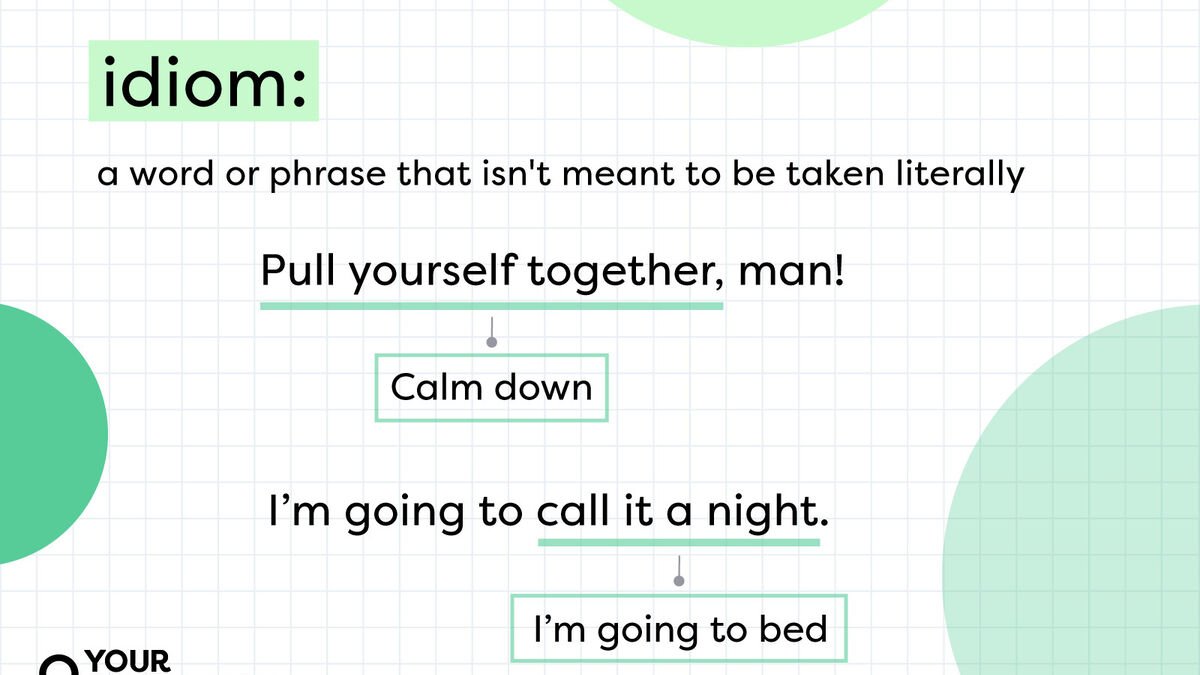
At its core, an idiomatic expression is a phrase whose meaning isn't deducible from the ordinary meanings of its individual words. Take "kick the bucket"—it has nothing to do with kicking or buckets but means "to die." While some idioms are simply colourful ways to state facts, many are powerful shorthand for attributing a "value" to a person, an action, an object, or an idea. This value can be:
- Financial: Expensive or cheap.
- Effort-based: Easy or difficult.
- Moral: Right or wrong.
- Qualitative: Good or bad, effective or useless.
- Truthfulness: Reliable or dubious.
Why They're Crucial for Native-Like Communication
You might be able to string together grammatically correct sentences, but if you're not using idioms, your speech can sound stiff, formal, or even a little unnatural. Native speakers use these expressions effortlessly, and understanding them allows you to follow jokes, catch subtle criticisms, and appreciate the full spectrum of English communication. They're a window into the cultural mindset, often stemming from history, trades, or common experiences. Without them, you're missing a significant piece of the linguistic puzzle.
Idioms That Put a Price Tag On It: Signifying High Value or Positive Effort
When something is truly good, accurate, easy, or worth significant effort, English has a wealth of expressions to convey that without needing a lengthy explanation. These phrases often highlight efficiency, quality, or a desirable outcome.
Celebrating Accuracy and Excellence
Some idioms pinpoint precision and high performance, indicating that something has met or exceeded expectations.
- Hit the nail on the head: To describe something exactly right.
- Example: “You’ve hit the nail on the head with your idea about the problem; it perfectly captures the core issue.”
- Straight from the horse’s mouth: Information from the person who knows best, implying high reliability.
- Example: “I heard about the university’s new policy straight from the horse’s mouth – the vice-chancellor told us herself, so it’s definitely accurate.”
Emphasizing Ease and Simplicity
The value of an easy task is often celebrated, saving time and stress.
- Piece of cake: Something very easy to do.
- Example: “Don’t worry about the presentation; after all our practice, it’ll be a piece of cake.”
- Kill two birds with one stone: To solve two problems with one action, valuing efficiency.
- Example: “By walking to work, I kill two birds with one stone: I save money on gas and get my daily exercise.”
Highlighting Effort and Dedication
These expressions commend extra effort, showing that someone has gone above and beyond.
- Go the extra mile: To make an extra effort.
- Example: “Our teachers always go the extra mile to help students understand difficult topics, even offering after-hours tutoring.”
- Burn the midnight oil: To work late into the night, often signifying dedication to a task.
- Example: “I’ve been burning the midnight oil to finish this project before the deadline, making sure every detail is perfect.”
Wishing Well and Encouraging Action
While not directly about monetary value, these phrases convey positive intent or the value of taking action.
- Break a leg: A way of wishing someone good luck, especially before a performance.
- Example: “You’re going to do great in the play tonight. Break a leg!”
- Get your act together: To organise yourself and improve your behaviour, implying the value of being prepared and professional.
- Example: “You need to get your act together if you want to pass this class and secure that internship.”
Phrases That Point to a Pricey Predicament: Signifying Cost, Difficulty, or Negative Effort
Not all values are positive. English idioms are particularly adept at describing things that are expensive, difficult, wasteful, or ultimately not worth the trouble.
When the Cost is Too High
These phrases highlight financial strain or a significant expenditure, often implying something might be overpriced or out of reach.
- Cost an arm and a leg: To be very expensive.
- Example: “That new electric car costs an arm and a leg; I can’t buy it now, even if it has many long-term benefits.”
- When weighing up something that comes with a hefty price tag, it's worth considering if the benefits truly outweigh the drawbacks. Sometimes, finding alternatives can offer similar advantages without having to search for synonyms for worth it and justify a major expense.
Facing Unpleasant Realities
Life often throws challenges our way, and idioms provide a vivid way to describe confronting them head-on, even if it's unpleasant.
- Bite the bullet: To do something difficult or unpleasant that you have been avoiding.
- Example: “I finally bit the bullet and went to the dentist after waiting for months, even though I hate dental work.”
Warning Against Overcommitment and Misdirection
These expressions caution against taking on too much, wasting effort, or pursuing the wrong path.
- Bite off more than you can chew: To try to do more than you can manage, often leading to a negative outcome.
- Example: “By agreeing to do two big projects at once, I bit off more than I could chew, and now I'm struggling with both.”
- Barking up the wrong tree: To look for something in the wrong place or to blame the wrong person, indicating wasted effort.
- Example: “If you think I took your book, you’re barking up the wrong tree. I haven’t seen it since yesterday.”
Giving Up or Accepting Defeat
Sometimes, the value of continuing a struggle simply isn't there, and these idioms reflect that decision.
- Throw in the towel: To give up.
- Example: “After trying for hours to fix the computer, I threw in the towel and called an expert; some battles aren't worth fighting alone.”
When Things Just Aren't Worth It: Signifying Low Value or Negative Impact
Many idioms highlight situations, objects, or actions that lack value, are of poor quality, or result in negative consequences.
Cutting Corners & Compromising Quality
These phrases speak to actions that reduce quality for the sake of convenience or cost, diminishing the end result's value.
- Cut corners: To do something in the easiest or cheapest way, often badly, leading to a sub-optimal outcome.
- Example: “The company cut corners on safety to save money, which unfortunately caused significant problems down the line.”
Wasting Time and Emotional Energy
Some situations are just not worth dwelling on or engaging in. These idioms offer a direct way to express that.
- Cry over spilled milk: To be upset about something that has already happened and can’t be changed, highlighting the futility of the emotion.
- Example: “Don’t cry over spilled milk; let’s focus on fixing the problem instead of regretting what happened.”
- Beat around the bush: To avoid talking about what’s important, often leading to wasted time and unclear communication.
- Example: “Please stop beating around the bush and tell me what happened directly.”
The Trivial and The Commonplace
When something lacks uniqueness or genuine worth due to its abundance, these phrases capture that sentiment.
- Ten a penny: Very common and not special or valuable.
- Example: “Empty promises are ten a penny in politics; I need to see real actions and commitments.”
- Take with a pinch of salt: To not completely believe something, suggesting its truthfulness or value is questionable.
- Example: “You should take his stories with a pinch of salt; he often exaggerates to make things more exciting.”
Revealing Secrets and Undermining Achievements
These idioms describe actions that negatively impact others or reveal information that diminishes its value.
- Let the cat out of the bag: To reveal a secret by mistake, often with negative or unintended consequences.
- Example: “I let the cat out of the bag about the surprise party when I asked her what cake she likes; the secret’s out!”
- Steal someone’s thunder: To take attention away from someone else’s achievement, diminishing their moment of recognition.
- Example: “I was about to share my good news, but my sister stole my thunder by announcing her engagement just before me.”
- Catch someone red-handed: To catch someone while they are doing something wrong, highlighting the undeniable negative action.
- Example: “The teacher caught the student red-handed trying to cheat on the test, leaving no room for denial.”
Personal Struggles and Discomfort
These expressions relate to individual well-being, indicating a state of reduced health or comfort.
- Under the weather: Feeling slightly ill.
- Example: “I’m feeling a bit under the weather today; I might stay home and rest instead of going to work.”
Expressions of Action, Outcome, and Social Dynamics: Situational Value
Some idioms don't inherently carry a strong positive or negative value but describe actions, situations, or observations that can influence value depending on the context. They are essential for understanding social cues and responsibilities.
Initiating and Resolving
These phrases are about starting something or bringing a task to a close, often implying the value of progress or completion.
- Break the ice: To start a conversation or make people feel more comfortable, valuing initial connection.
- Example: “To break the ice at the party, I said hello to the person next to me and asked about their favorite book.”
- Call it a day: To stop working on something.
- Example: “We’ve done a lot of work on the report. Let’s call it a day and continue tomorrow with fresh minds.”
Time and Rarity
These idioms speak to the frequency or infrequency of events, affecting their perceived value or significance.
- Once in a blue moon: Very rarely.
- Example: “I only eat fast food once in a blue moon; I usually cook healthy meals at home.”
Interactions, Influence, and Relationships
These expressions capture the dynamic nature of human interaction, responsibility, and similarity.
- Pull someone’s leg: To joke with someone by telling them something that isn’t true.
- Example: “Don’t worry, I’m just pulling your leg; I didn’t really sell your bike—it’s safe in the garage.”
- The ball is in your court: It’s your turn to take action or make a decision, highlighting personal responsibility.
- Example: “I’ve made my offer for the house; now the ball is in your court to decide if you want to accept.”
- Speak of the devil: Said when someone appears just as you’re talking about them, a common social observation.
- Example: “Speak of the devil! We were just talking about you when you walked in; what perfect timing!”
- Jump on the bandwagon: To join an activity that has become popular, often reflecting a desire for inclusion or perceived benefits.
- Example: “When healthy eating became popular, many people jumped on the bandwagon and started eating organic produce.”
- Like two peas in a pod: Very similar or close.
- Example: “Those best friends are like two peas in a pod; they do everything together and even finish each other's sentences.”
Mastering the Art: How to Use Idioms Like a Native Speaker
Understanding these expressions is one thing; using them effectively is another. It requires practice, observation, and a willingness to make mistakes. Think of it as learning the rhythm and melody of a language, not just the notes.
Context is King: Reading the Room
The most crucial rule for using idioms is understanding the situation. An idiom that works perfectly in a casual conversation with friends might sound utterly out of place in a formal business meeting. Before you deploy an idiom, pause and consider:
- Who is your audience? Are they native speakers who will understand the nuance?
- What is the tone of the conversation? Is it serious, humorous, or informal?
- What is the power dynamic? Certain idioms might be too informal for speaking to a superior.
Misjudging the context is a common pitfall that can make your speech sound awkward or even offensive.
Practice Makes Fluent: Integrating Into Your Speech
You wouldn't learn to play an instrument without practicing, and idioms are no different. Don't just memorize definitions; try to use them.
- Start small: Pick one or two new idioms a week and consciously try to incorporate them into your conversations.
- Role-play: Practice with a language partner or even by yourself, imagining different scenarios.
- Rewrite sentences: Take a plain sentence and try to inject an idiom to make it more vivid. For example, instead of "The test was very easy," try "The test was a piece of cake."
Listen Actively: The Nuances of Native Use
Native speakers often use idioms without even realizing it. Pay close attention when you're watching movies, listening to podcasts, or interacting with English speakers.
- Note the context: When is the idiom used? What is the speaker's tone?
- Observe reactions: How do others respond to the idiom? Does it land well or cause confusion?
- Record new idioms: Keep a journal of phrases you hear, along with their meanings and the situations in which they were used.
The Goldilocks Rule: Not Too Many, Not Too Few
While using idioms adds flavor, overdoing it can make your speech sound contrived or difficult to follow. Imagine a chef who puts every spice in every dish—the result is overwhelming.
- Aim for natural integration: Don't force idioms where they don't fit.
- A little goes a long way: One well-placed idiom can be more effective than three awkwardly inserted ones.
- When in doubt, leave it out: If you're unsure if an idiom is appropriate or if you truly understand its nuance, stick to more direct language. Clarity always trumps cleverness.
Embracing Mistakes: Part of the Journey
Learning any language is a process of trial and error. You will use an idiom incorrectly at some point, and that's perfectly normal.
- Don't be discouraged: Every mistake is a learning opportunity.
- Ask for clarification: If someone looks confused, ask if the idiom was unclear.
- Observe and adjust: Learn from your missteps and refine your understanding for next time. Even native speakers sometimes mix up idioms!
Common Pitfalls to Sidestep
As you venture into the world of idioms, be mindful of these common traps:
- Literal Interpretation: This is the biggest hurdle. Always remember that the words don't mean what they say. Thinking "break a leg" literally means you want harm to come to someone is a classic mistake.
- Using Outdated Idioms: Just like fashion, language evolves. Some idioms fall out of common use and might make you sound old-fashioned or strange. "Cat got your tongue?" is still understood but less common than it once was. Focus on contemporary usage.
- Regional Differences: Some idioms are more prevalent in certain regions (e.g., British English vs. American English). Be aware of the dialect if you're targeting a specific audience.
- Mishearing or Misremembering: Slight changes to an idiom can completely alter its meaning or make it nonsensical. Double-check the exact phrasing.
Beyond the Dictionary: Why Emotional Resonance Matters
Idioms are more than just linguistic quirks; they are vessels for emotional resonance and cultural understanding. When you understand why "crying over spilled milk" is considered unproductive, you're not just grasping a phrase; you're tapping into a cultural value system that prioritizes moving forward rather than dwelling on the past.
Using idioms effectively allows you to:
- Build Rapport: Connect with native speakers on a deeper, more familiar level.
- Express Nuance: Convey subtle emotions or judgments that direct language might miss.
- Sound Confident: Demonstrate a mastery of English that extends beyond basic comprehension.
Your Next Step to Idiomatic Excellence
The journey to idiomatic fluency is continuous. You won't master every idiom overnight, and new ones emerge all the time. But by actively listening, consciously practicing, and understanding the core principles of value and context, you'll steadily enhance your ability to communicate with greater naturalness, depth, and impact.
Start by revisiting the expressions mentioned here. Pick three that resonate with you and try to use them in conversation this week. Observe how others use them. The more you immerse yourself in the living, breathing language, the more these colorful expressions will become a natural part of your communication toolkit. After all, the value of truly mastering a language isn't just in knowing the words, but in understanding the spirit behind them.